

Root Canal Procedure Step-by-Step: What to Expect at Your Laguna Niguel Dentist
Undergoing a root canal procedure can be a daunting experience for many patients, but understanding the process can significantly alleviate anxiety. This article provides a comprehensive guide on what to expect during a root canal, from preparation to aftercare. You will learn about the steps involved in the procedure, the signs that indicate you may need one, and how advanced technology enhances the experience. By the end, you will feel more informed and prepared for your visit to your Laguna Niguel dentist.
Preparation
Before undergoing a root canal, several preparatory steps are essential to ensure a smooth procedure. Initially, patients will have an initial consultation with their dentist, who will evaluate the condition of the tooth and surrounding tissues. This evaluation is crucial for determining the necessity of the root canal and for planning the treatment. Scheduling the procedure is the next step, where the dentist will provide specific instructions to follow before the appointment, such as dietary restrictions or medications to avoid.
Procedure Steps
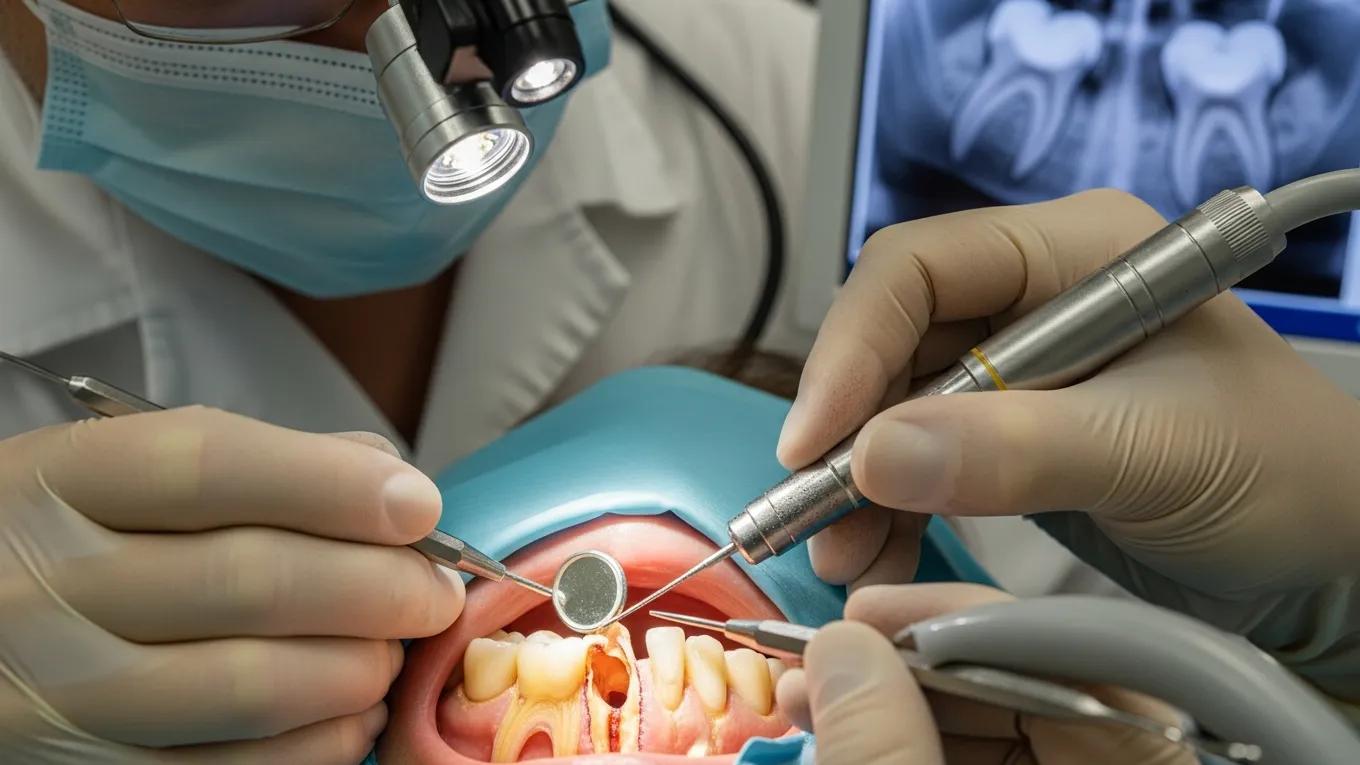
The root canal procedure involves several critical steps that are designed to relieve pain and save the tooth.
- Anesthesia Administration: The dentist will begin by administering a local anesthetic to numb the affected area, ensuring that the patient remains comfortable throughout the procedure.
- Pulp Removal Process: Once numb, the dentist will create an opening in the crown of the tooth to access the pulp chamber. The infected or damaged pulp is then carefully removed.
- Filling and Sealing the Tooth: After the pulp is removed, the dentist will clean and shape the root canals before filling them with a biocompatible material called gutta-percha. Finally, the tooth is sealed to prevent future infection.
At Laguna Niguel Dental, we prioritize patient comfort and use advanced techniques to ensure a successful outcome. If you have concerns about the procedure, our team is here to answer your questions and help you feel at ease.
Aftercare
Post-procedure care is vital for a smooth recovery after a root canal. Patients are typically advised to manage pain with over-the-counter medications and to follow specific dietary restrictions to avoid discomfort. It is also essential to attend follow-up appointments to monitor healing and ensure the tooth is recovering properly.
Potential Outcomes
The expected outcomes of a root canal procedure are generally positive. Most patients experience significant pain relief immediately after the procedure, as the source of the pain—the infected pulp—is removed. Additionally, a successful root canal can preserve the tooth for many years, allowing for normal function and aesthetics. Long-term success rates for root canals are high, with many studies indicating that over 90% of treated teeth remain functional for a decade or more.
What Are the Signs You May Need a Root Canal?
Recognizing the signs that indicate a root canal may be necessary is crucial for timely treatment. Common symptoms include:
- Persistent Tooth Pain: Ongoing pain that does not subside can indicate an infection in the tooth.
- Sensitivity to Temperature: Prolonged sensitivity to hot or cold, even after the stimulus is removed, may suggest nerve damage.
- Swelling in the Gums: Swelling or tenderness around the affected tooth can be a sign of infection.
If you experience any of these symptoms, it is essential to consult with your dentist promptly.
How to Recognize Symptoms of Root Canal Infection
Identifying the symptoms of a root canal infection can help in seeking timely treatment. Key indicators include:
- Persistent Tooth Pain: Similar to the previous section, ongoing pain is a primary symptom.
- Sensitivity to Temperature: Increased sensitivity that lingers can indicate nerve issues.
- Foul Taste in the Mouth: An unpleasant taste may arise from infection or pus drainage.
Being aware of these symptoms can lead to quicker intervention and better outcomes.
When to Schedule an Appointment with Laguna Niguel’s Best Dentist
Knowing when to seek dental care is crucial for maintaining oral health. If you notice any of the following signs, it is time to schedule an appointment:
- Signs of Needing a Root Canal: If you experience persistent pain or sensitivity, don’t wait to seek help.
- Importance of Timely Consultation: Early intervention can prevent further complications and save the tooth.
- Preventing Further Complications: Delaying treatment can lead to more severe issues, including abscesses or tooth loss.
At Laguna Niguel Dental, we are committed to providing timely and effective care to our patients.
What Are the Step-by-Step Stages of the Endodontic Procedure?
The endodontic procedure, commonly known as a root canal, consists of several stages that ensure thorough treatment.
- Initial Assessment: The dentist evaluates the tooth and surrounding tissues.
- Anesthesia and Preparation: Local anesthesia is administered, and the tooth is prepared for treatment.
- Pulp Removal and Cleaning: The infected pulp is removed, and the canals are cleaned and shaped.
- Filling and Sealing: The canals are filled with gutta-percha and sealed to prevent reinfection.
Understanding these stages can help demystify the process and reduce anxiety.
How Advanced Technology Enhances Your Root Canal Experience
Modern advancements in dental technology have significantly improved the root canal experience. Techniques such as digital X-rays allow for more accurate diagnosis and treatment planning. Additionally, state-of-the-art tools enhance the precision of the procedure, reducing discomfort and recovery time. Sedation options are also available to help patients feel more relaxed during treatment.
Indeed, the integration of digital tools has profoundly transformed how endodontic procedures are diagnosed and planned.
Digital Technologies for Root Canal Diagnosis & Planning
The review underscores that the integration of digital technologies, encompassing digital radiography, cone-beam computed tomography (CBCT), and intraoral scanners, has revolutionized endodontic diagnosis and treatment planning in both endodontics and restorative dentistry.
The use of digital technologies in endodontic diagnosis and restorative planning, 2024
How Is Pain Managed During and After Your Root Canal Treatment?
Pain management is a critical aspect of the root canal procedure. During the treatment, local anesthesia is used to numb the area, ensuring that patients do not feel pain. After the procedure, over-the-counter pain relievers are typically recommended to manage any discomfort.
Specifically, non-steroidal anti-inflammatory drugs (NSAIDs) are a common and effective choice for managing discomfort after a root canal.
NSAIDs for Post-Endodontic Pain Management
NSAIDs are widely used in dental practice, particularly for their effectiveness in relieving post-endodontic pain (PEP). These drugs work by inhibiting prostaglandin synthesis, which is a key mediator of inflammation and pain. The choice of NSAID, dosage, and duration of treatment should be individualized based on the patient’s medical history and the severity of pain.
Comprehensive strategies in endodontic pain management: an integrative narrative review, 2023
What Sedation Dentistry Options Are Available at Laguna Niguel Dental?
Laguna Niguel Dental offers various sedation options to ensure a comfortable experience during dental procedures. These options include:
- Nitrous Oxide: Commonly known as laughing gas, it helps patients relax during treatment.
- Oral Sedation: Medication taken before the appointment can help alleviate anxiety.
- IV Sedation: For more complex procedures, IV sedation provides deeper relaxation.
Discussing these options with your dentist can help determine the best approach for your needs.
Further research highlights the ongoing advancements and benefits of in-office sedation for patient comfort.
In-Office Sedation for Comfortable Dental Procedures
For the patient receiving routine dental care, in-office sedation is usually the least expensive alternative for patients who require pharmacologic assistance to tolerate treatment. Future advances in conscious sedation may include agents and techniques that are more rapidly effective, have shorter durations of action, and are more easily reversed.
Making patients safe and comfortable for a lifetime of dentistry: frontiers in office‐based sedation, 2001
Tips for Managing Discomfort and Ensuring a Stress-Free Procedure
Managing discomfort during a root canal can be achieved through several strategies:
- Relaxation Techniques: Deep breathing and visualization can help calm nerves.
- Communication with the Dentist: Informing the dentist about any discomfort during the procedure can lead to adjustments for better comfort.
- Post-Procedure Care: Following aftercare instructions diligently can minimize discomfort and promote healing.
What Should You Expect During Recovery and Aftercare?

Recovery after a root canal typically involves some discomfort, which can be managed with pain relievers. Patients should expect to follow specific aftercare instructions, including dietary restrictions and maintaining oral hygiene.
Typical Root Canal Recovery Time and Healing Process
The recovery time for a root canal can vary, but most patients can return to normal activities within a few days. Initial healing may take 24-48 hours, while complete healing of the tooth can take several weeks.
Essential Aftercare Instructions for Long-Term Oral Health
To ensure long-term oral health after a root canal, patients should adhere to the following aftercare instructions:
- Oral Hygiene Practices: Maintain regular brushing and flossing to keep the area clean.
- Dietary Recommendations: Avoid hard or sticky foods for a few days post-procedure.
- Follow-Up Care: Attend all follow-up appointments to monitor healing and address any concerns.
By following these guidelines, patients can support their recovery and maintain their oral health effectively.
Contact Laguna Niguel Dental
If you are experiencing symptoms that may require a root canal or if you want to schedule a consultation, our expert team at Laguna Niguel Dental is here to help. We are dedicated to providing compassionate, advanced dental care to ensure your comfort and health.
Laguna Niguel DentalAddress: 28940 Golden Lantern H, Laguna Niguel, CA 92677Phone: (949) 3630-2010Email: info@lagunanigueldental.comWebsite: www.lagunanigueldental.com