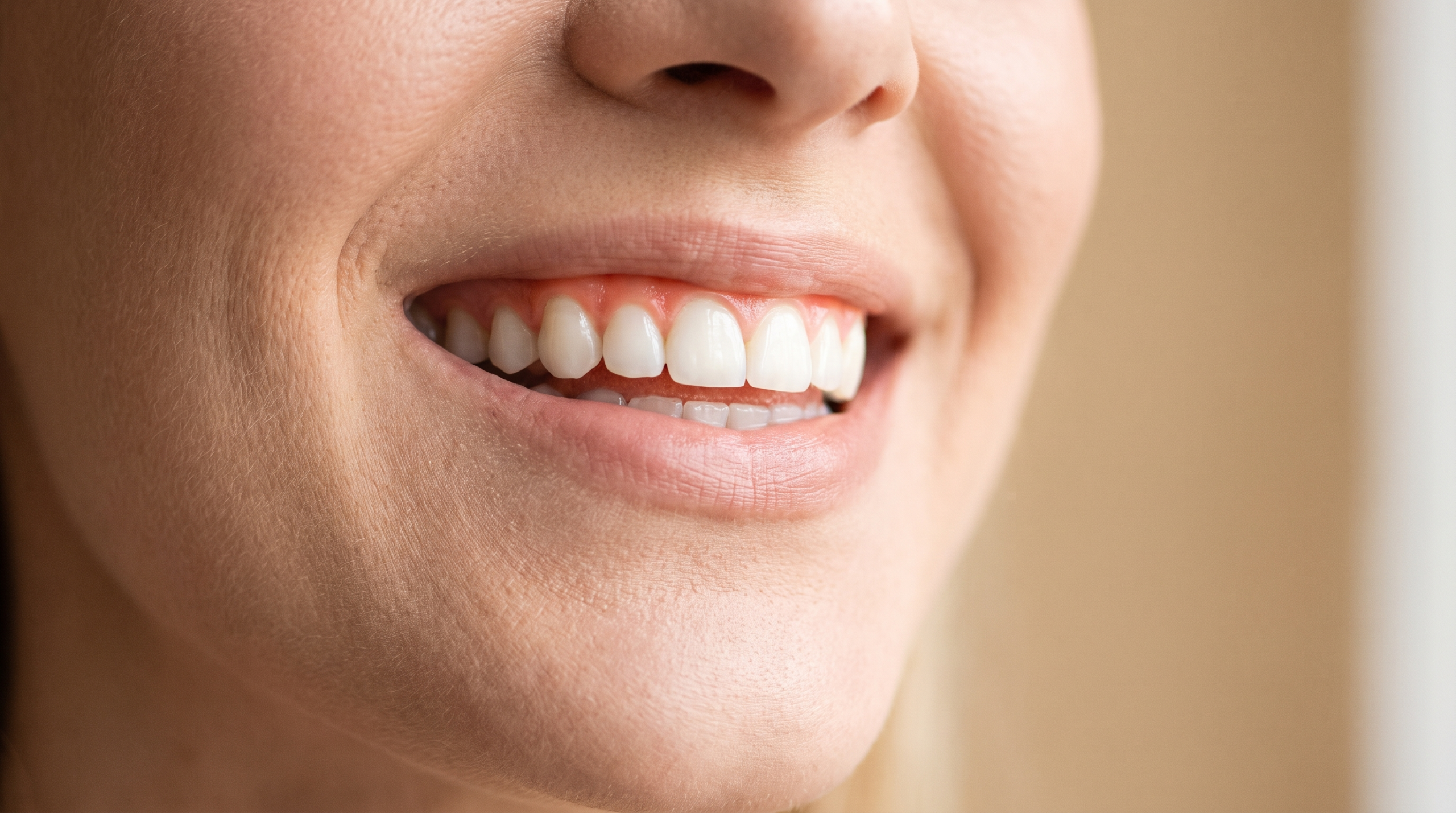

If you’re considering straightening your teeth as an adult, you’ve probably narrowed it down to two options: clear aligners or traditional metal braces. Both work. Both have been straightening teeth for decades. But they suit different people, different cases, and different lifestyles.
The short answer
For most adults with mild to moderate crowding, spacing, or bite issues, Invisalign clear aligners deliver results comparable to braces without the visibility or the diet restrictions. For complex bite corrections, significant rotations, or cases needing major tooth movement, traditional braces still have the edge.
Appearance
This is the reason most adults ask about aligners in the first place. Clear aligner trays are made of transparent thermoplastic and sit close to the teeth, so most people won’t notice you’re wearing them across a conference table. Metal braces stay visible for the entire treatment, though ceramic brackets are a less noticeable alternative.
Comfort and daily life
Aligners are removable. You take them out to eat, brush, and floss normally, which means no food restrictions and no working a toothbrush around brackets and wires. Braces are fixed, so sticky and hard foods are off the menu and cleaning takes more effort.
The tradeoff is that aligners only work while you’re wearing them. Most treatment plans call for 20 to 22 hours a day. If you know you’d be tempted to leave them out, braces remove that variable entirely because they’re always working.
Treatment time
For comparable cases, timelines are broadly similar, and both depend far more on how much movement your teeth need than on the appliance itself. Aligner patients often have fewer and shorter office visits, since you change trays at home and come in for periodic checks rather than wire adjustments.
Which cases suit which option
- Clear aligners work well for: mild to moderate crowding, gaps and spacing, minor bite correction, and relapse after previous orthodontic work.
- Braces are often the better choice for: severe crowding, significant rotations, large vertical tooth movements, and complex bite problems.
This is genuinely a case-by-case judgment. A digital scan and exam will tell you far more than any article can, and a dentist worth trusting will tell you when braces are the better tool for your situation.
What about cost?
Clear aligner treatment and traditional braces land in a similar range for comparable cases, and many dental plans contribute toward either. What actually moves the number is how much correction your teeth need. You can see current pricing and exactly what’s included on our Invisalign in Laguna Niguel page, and we’ll review your specific coverage with you before you commit to anything.
Straightening isn’t the only path to a better smile
If your main concern is how your front teeth look rather than where they sit, orthodontics may not be the fastest route. Porcelain veneers can address shape, color, and minor spacing in a fraction of the time. And if you’re missing teeth, dental implants may need to come first in the sequence. Worth discussing all three before you decide.
Frequently asked questions
Do clear aligners work as well as braces?
For mild to moderate crowding, spacing, and minor bite issues, clear aligners achieve results comparable to traditional braces. For complex bite corrections or cases requiring significant tooth movement, braces may still be the more predictable option. An exam and digital scan will tell you which applies to you.
How many hours a day do I need to wear aligners?
Most treatment plans call for 20 to 22 hours per day. You remove them to eat, to drink anything other than water, and to brush. Consistency matters more than anything else here, because aligners only move teeth while they’re actually being worn.
Are clear aligners more expensive than braces?
Not necessarily. For comparable cases the two are broadly similar in cost, and many dental insurance plans contribute toward either. The bigger factor is how much correction your teeth need.
Will I need a retainer afterwards?
Yes, with either option. Teeth naturally drift over time, and a retainer is what protects the result you invested in. Your dentist will explain the retainer schedule when your treatment finishes.
Not sure which option fits your smile?
Book a consultation with Dr. Azadeh Ashtiany for a digital scan, a straight recommendation, and an honest cost breakdown, including our current Invisalign special.