Essential Oral Hygiene Routine: Tips for Dental Care Success

General Tooth & Mouth Care: Your Complete Dental Routine and Its Role in Overall Health
Maintaining a healthy mouth is essential not only for oral hygiene but also for overall health. A comprehensive dental routine can significantly reduce the risk of various health issues, including heart disease and diabetes. This article will guide you through the essential steps of a complete dental routine, emphasizing the importance of oral hygiene in promoting overall well-being. You will learn about daily oral hygiene practices, proper brushing and flossing techniques, and the connection between oral health and systemic health. By understanding these elements, you can take proactive steps to enhance your mouth health and, consequently, your overall health.
Complete Dental Routine and Oral Hygiene Steps for Overall Health Benefits
A complete dental routine encompasses several key practices that contribute to optimal oral health. These practices not only help prevent dental issues but also promote overall health by reducing the risk of systemic diseases. Regular brushing, flossing, and dental check-ups are fundamental components of this routine. Additionally, using mouthwash can further enhance oral hygiene by reducing bacteria and freshening breath. By adhering to a consistent dental routine, individuals can experience significant health benefits, including improved digestion, better heart health, and enhanced immune function.
Essential Daily Oral Hygiene Steps for Adults
Establishing a daily oral hygiene routine is crucial for maintaining mouth health. The essential steps include:
- Brushing Twice Daily: Use fluoride toothpaste and a soft-bristled toothbrush to brush for at least two minutes each time.
- Flossing Daily: Flossing removes plaque and food particles from between teeth where a toothbrush cannot reach.
- Using Mouthwash: An antimicrobial mouthwash can help reduce plaque and gingivitis, providing an extra layer of protection.
These steps are vital for preventing cavities, gum disease, and other oral health issues.
How to Brush Your Teeth Properly for Maximum Mouth Health
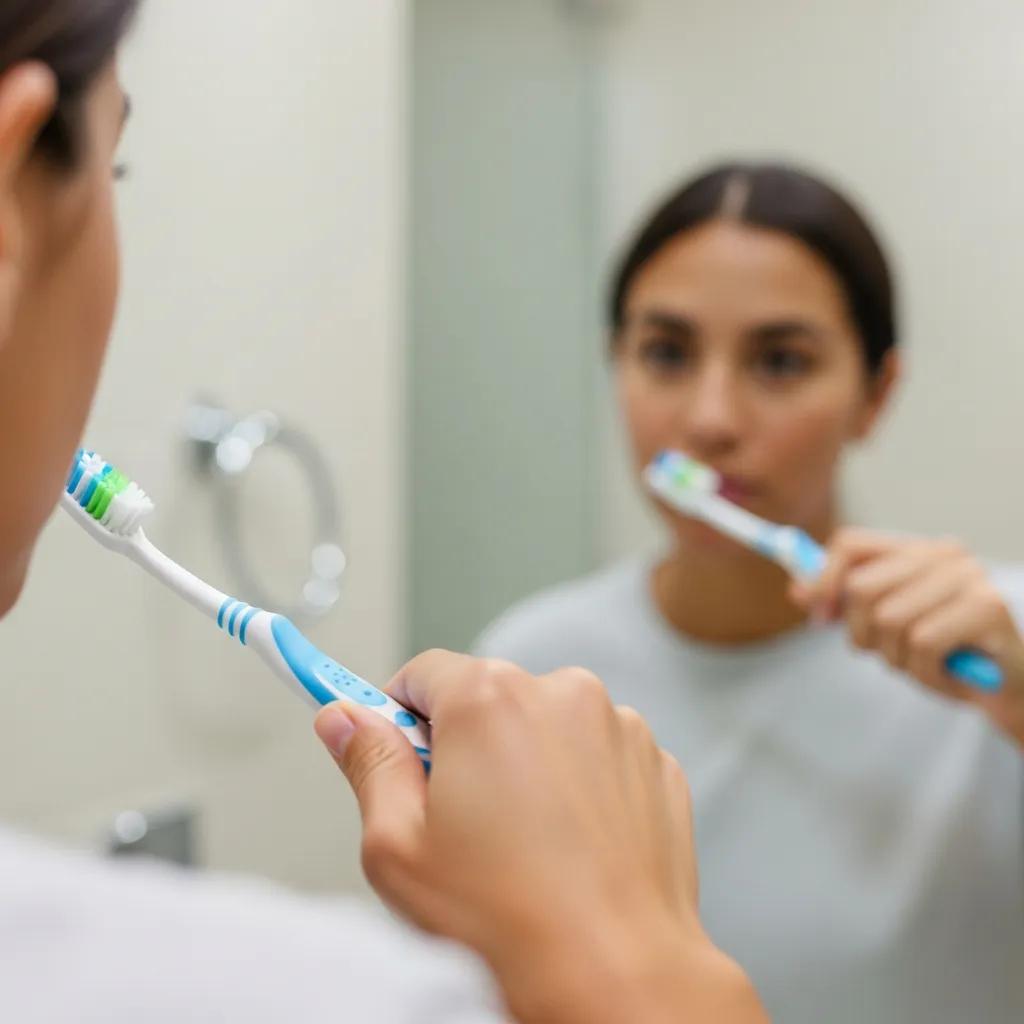
Brushing your teeth effectively is essential for maintaining oral health. To brush properly, hold your toothbrush at a 45-degree angle to your gums and use gentle, circular motions. Ensure you cover all surfaces of your teeth, including the outer, inner, and chewing surfaces. It is recommended to brush for at least two minutes, twice a day. Additionally, replacing your toothbrush every three to four months or sooner if the bristles are frayed is important for optimal cleaning.
Best Flossing Techniques to Prevent Gum Disease

Flossing is a critical component of oral hygiene that helps prevent gum disease. To floss effectively, use about 18 inches of dental floss, wrapping the ends around your fingers. Gently slide the floss between your teeth, curving it around each tooth in a C-shape. This technique allows you to clean below the gum line effectively. Flossing should be done at least once a day, preferably before brushing, to remove plaque and food particles that can lead to gum disease.
How a Dental Routine Prevents Common Mouth Diseases
A consistent dental routine plays a significant role in preventing common mouth diseases such as cavities and gum disease. Regular brushing and flossing help remove plaque, a sticky film of bacteria that forms on teeth. If not removed, plaque can harden into tartar, leading to gingivitis and periodontitis. Additionally, routine dental check-ups allow for early detection and treatment of potential issues, further reducing the risk of serious oral health problems.
Causes and Prevention of Tooth Decay
Tooth decay is primarily caused by the interaction of bacteria in the mouth with sugars from food. This process produces acids that erode tooth enamel, leading to cavities. Preventing tooth decay involves maintaining good oral hygiene practices, such as brushing twice daily, flossing, and limiting sugary snacks and drinks. Regular dental visits for professional cleanings and check-ups are also essential for early detection and management of decay.
Regarding effective prevention, research consistently highlights the crucial role of fluoride toothpaste in combating dental decay.
Fluoride Toothpaste: Essential for Caries Prevention
Caries (dental decay) is a disease of the hard tissues of the teeth caused by an imbalance, over time, in the interactions between cariogenic bacteria in dental plaque and fermentable carbohydrates (mainly sugars). Regular toothbrushing with fluoride toothpaste is the principal non‐professional intervention to prevent caries, but the caries‐preventive effect varies according to different concentrations of fluoride in toothpaste, with higher concentrations associated with increased caries control. Toothpastes with higher fluoride concentration increases the risk of fluorosis (enamel defects) in developing teeth. This is an update of the Cochrane Review first published in 2010.
Is gum disease killing your patient?, 2009
How Daily Oral Care Reduces the Risk of Gum Disease
Daily oral care significantly reduces the risk of gum disease by keeping plaque and tartar at bay. Gum disease begins with gingivitis, characterized by inflammation and bleeding of the gums. If left untreated, it can progress to periodontitis, which can lead to tooth loss. By brushing, flossing, and using mouthwash regularly, individuals can maintain healthy gums and prevent the onset of gum disease.
Connection Between Oral Health and Overall Systemic Health
Oral health is closely linked to overall systemic health. Poor oral hygiene can lead to bacteria entering the bloodstream, potentially causing inflammation and contributing to systemic conditions such as heart disease and diabetes. Research indicates that individuals with gum disease are at a higher risk for cardiovascular issues. Therefore, maintaining good oral hygiene is not only vital for mouth health but also for preventing serious health complications.
Indeed, extensive epidemiological evidence supports the profound connection between poor oral health, particularly periodontal disease, and an increased risk for various systemic conditions.
Oral Health’s Systemic Impact: Gum Disease, Diabetes & Heart Health
There is considerable epidemiological evidence to support the concept that poor oral health, especially the extent and severity of periodontal disease, may put patients at a significant risk for a variety of systemic conditions. This association raises the question that if patients or members of the dental profession ignore oral health, is there an increased risk of morbidity and mortality? In this presentation, the relationship between periodontal disease and many systemic conditions will be explored further. In addition, if periodontal disease does increase the risk of various systemic diseases, it raises the issue as to what the impact of treating periodontal disease is in reducing the magnitude of the risk. There is increasing evidence that reducing the inflammatory component in the periodontal tissues does have potential systemic effects. This has been shown to improve hyperglycaemic control in diabetics, reduce the prevalence of adverse pregnancy outcomes and improve surrogate markers that may be of benefit in patients suffering from coronary heart disease.
Is gum disease killing your patient?, 2009
Impact of Gum Disease on Cardiovascular Health
Gum disease can have a detrimental impact on cardiovascular health. The inflammation caused by gum disease can lead to the buildup of plaque in the arteries, increasing the risk of heart attacks and strokes. Studies have shown that individuals with gum disease are more likely to develop heart disease. Regular dental care and maintaining good oral hygiene can help mitigate these risks and promote better heart health.
Role of Oral Hygiene in Managing Diabetes
Improving oral hygiene can play a significant role in managing diabetes. Research suggests that individuals with diabetes are more susceptible to gum disease, which can further complicate blood sugar control. By maintaining good oral hygiene practices, such as regular brushing and flossing, individuals with diabetes can reduce their risk of gum disease and improve their overall health. Regular dental check-ups are also crucial for monitoring oral health in diabetic patients.
Specifically, studies consistently highlight the importance of good oral hygiene and regular dental visits for individuals managing diabetes, as oral health directly impacts diabetes control.
Diabetes & Oral Health: The Role of Hygiene and Dental Visits
People with uncontrolled diabetes are at greater risk for several oral health problems, particularly periodontal (gum) disease. Periodontal disease also impacts diabetes control. Good oral hygiene and regular dental visits are recommended to prevent and manage oral health problems. Several studies have been conducted to assess the oral health knowledge, attitudes, and practices of people with diabetes yet a review of these findings has not yet been undertaken. The aim of this systematic review was to synthesize current evidence on the knowledge, attitudes and practices of people with diabetes in relation to their oral health care.
Oral health knowledge, attitudes and care practices of people with diabetes: a systematic review, P Poudel, 2018
When to See a Dentist and Best Dental Care Practices
Regular dental visits are essential for maintaining oral health. Adults should schedule professional dental check-ups at least twice a year. However, individuals with specific dental issues or those at higher risk for oral diseases may need to visit more frequently. Signs that indicate a need for a dental visit include persistent tooth pain, bleeding gums, and changes in the alignment of teeth. Best practices for dental care include adhering to a consistent oral hygiene routine, avoiding tobacco products, and maintaining a balanced diet.
For those seeking to enhance their dental care, scheduling regular appointments with a dental professional can provide personalized guidance and treatment options tailored to individual needs.
Frequency of Professional Dental Checkups for Adults
Adults should aim to schedule professional dental check-ups every six months. However, individuals with a history of dental issues or those at higher risk for oral diseases may need to visit more frequently. Regular check-ups allow for early detection of potential problems, ensuring timely intervention and treatment. During these visits, dental professionals can provide personalized advice on maintaining optimal oral health.
Lifestyle and Nutrition Tips to Support Mouth Health
Maintaining a healthy lifestyle and balanced diet is crucial for supporting mouth health. Here are some tips to consider:
- Eat a Balanced Diet: Incorporate fruits, vegetables, whole grains, and lean proteins to provide essential nutrients for oral health.
- Limit Sugary Foods and Drinks: Reducing sugar intake can help prevent tooth decay and cavities.
- Stay Hydrated: Drinking plenty of water helps wash away food particles and bacteria, promoting a healthier mouth.
By following these lifestyle and nutrition tips, individuals can significantly enhance their oral health and overall well-being.
Frequently Asked Questions
How much does a complete dental routine typically cost?
The cost varies depending on the services included, but basic dental care products and regular check-ups are generally affordable and a worthwhile investment in your health.
How does a professional dental cleaning compare to at-home oral care?
Professional cleanings remove tartar and plaque buildup that at-home care cannot, providing a deeper clean and helping prevent serious dental issues.
Does dental insurance usually cover routine dental care and check-ups?
Most dental insurance plans cover routine exams and cleanings, but coverage can vary, so it’s important to review your specific plan details.
How do I choose the right dental specialist for my needs?
Consider factors like the specialist’s credentials, experience, patient reviews, and whether they offer the specific treatments you require.
Schedule Your Complete Dental Routine Consultation Today
Take the first step towards optimal oral health with a complete dental routine consultation.
ð Laguna Niguel Dentalð©⚕️ Dr. Azadeh Ashtianyð (949) 363-2010ð Book Online
Experience the benefits of a comprehensive dental routine tailored to your needs. Laguna Niguel Dental is committed to providing exceptional care and personalized treatment plans in 2024. Your healthier smile starts here.
Location: Laguna Niguel, CA